ELGA Feature (English Language and General Awareness) is a core academic program offered by LEAD School and a major decision factor for new school partners. This project focused on redesigning the ELGA allocation workflow using AI-driven recommendations to reduce errors, support principals and significantly lower customer support dependency.
Problem Inspiration
High-stakes onboarding with frequent errors
Role
Product Designer
Business-Critical Feature
[User Interviews & Focus Groups]
Principals struggled to understand how ELGA works
Errors were frequent during manual allocation
Over 70% of customer support queries were related to ELGA allocation
AEMs were required to hand-hold principals through onboarding
Poor First Product Experience
[Heuristic Evaluation]
Principals’ first interaction with the platform was confusing, setting the wrong tone for long-term adoption.
No Error Prevention
[Heuristic Evaluation]
The system allowed invalid configurations instead of guiding users toward correct actions.
Context
How Might We
How might we help principals complete ELGA allocation accurately without relying on human support prevent errors before they occur?
How might we guide users step-by-step without overwhelming them?
My Approach
Human-Centered Design with Intelligent Automation

Empathize - Understanding Real Workflows
Focus group sessions with principals and AEMs
Mapping onboarding journeys and common failure points
Identifying where users lost confidence and contacted support
01
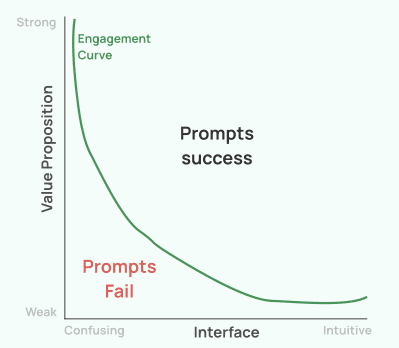
Define - Reframing the Problem
Instead of redesigning screens, the core problem was reframed as: Users should not need to understand the full system logic to complete ELGA correctly.
02
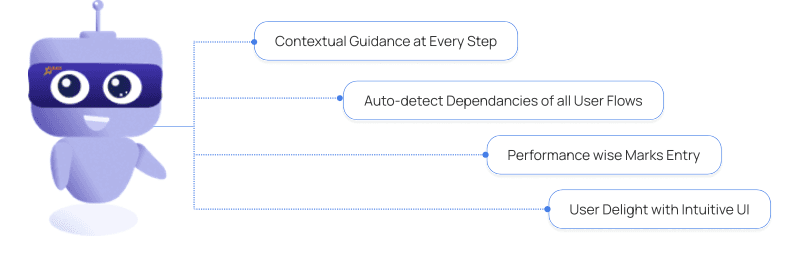
Ideate - To guide, Not a Customer Support Replacement
Stepwise guidance
Auto-detecting dependencies
Reducing manual configuration
03
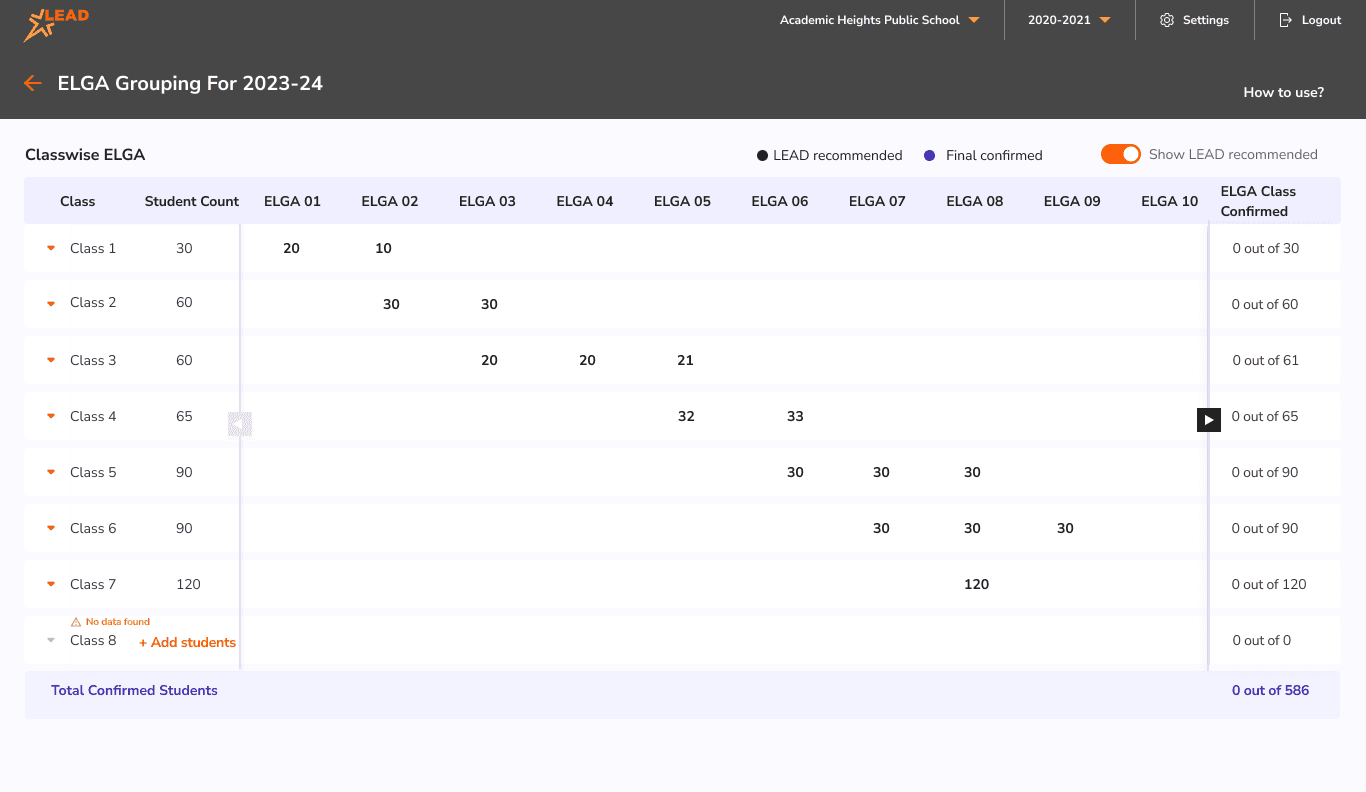
Iterative Prototype - A Recommendation Engine (Yiso)
Recommendation Engine suggests: ELGA level, Division mapping, Student grouping
Users make only three decisions, everything else is handled by the platform.
04
Contextual Guidance at Every Step
Users are guided through a single continuous flow rather than fragmented screens.
Multi-Channel Data Entry
Users can enter data through tables, bulk uploads, or stepwise forms based on preference.
Auto-Detection of Dependencies
System logic validates inputs and prevents invalid configurations automatically.
Deliverables
Designed for Accuracy, Speed and Confidence
UX heuristic evaluation report
End-to-end user flows and use-case mapping
AI recommendation interaction model
High-fidelity responsive web designs
Design system alignment with core platform
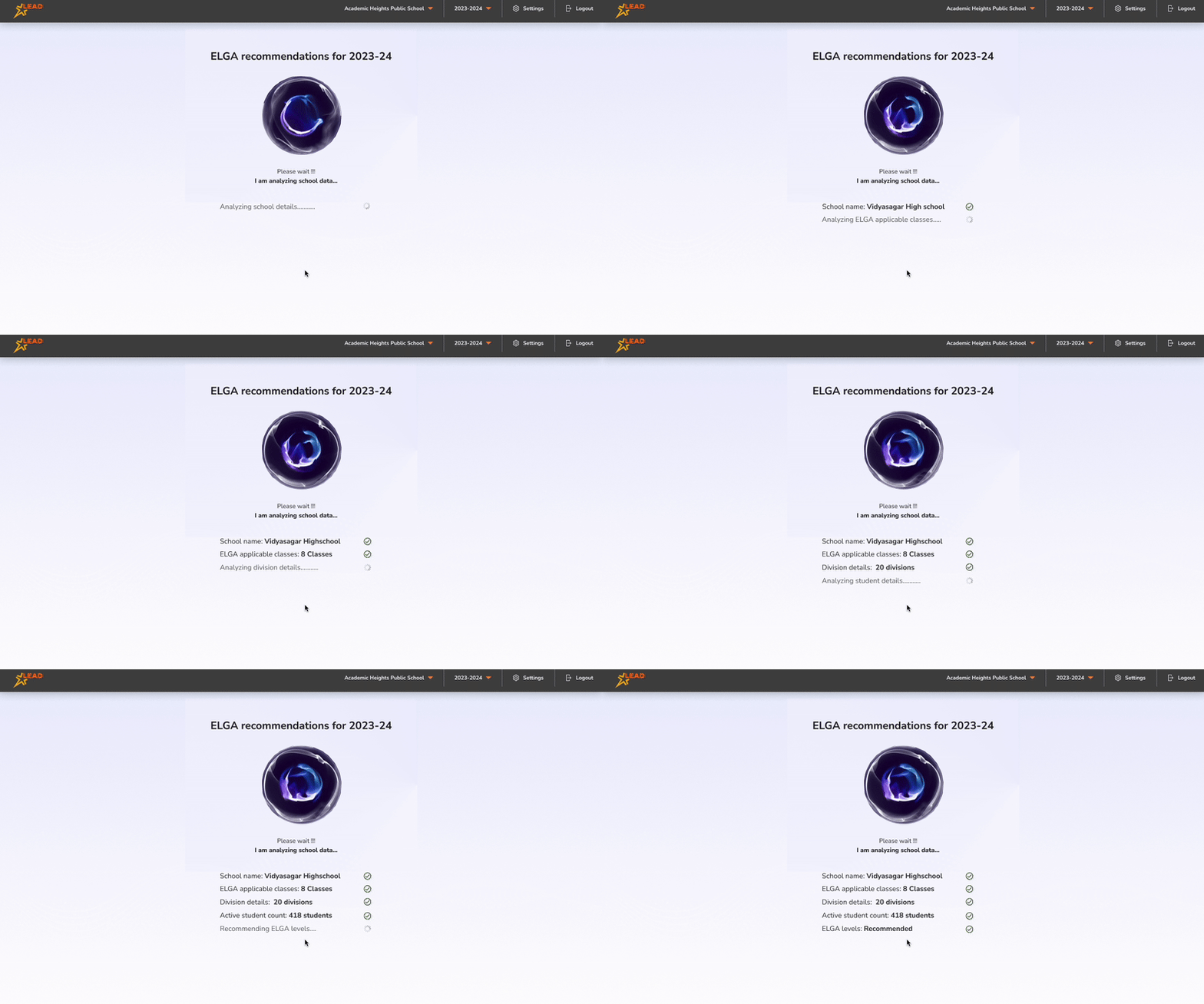
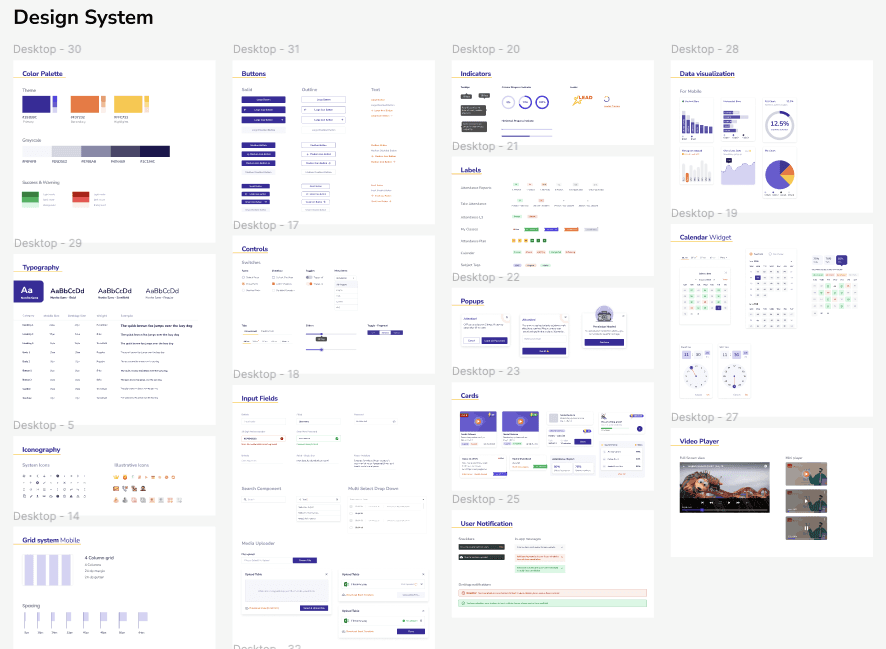
Balance business goals with usability, Ship features into live systems as visual rebranding effort using a new design system to improve clarity, hierarchy, and consistency across ELGA flows problems.
Lesson learned
Product Should Replace Human Dependencies, Clear Scoping Saves Design Cycles.
Send a Message